A month in Cope!
As I sit here thinking about all the things I want to write about, I realize that I probably won’t be able to squeeze in a month’s worth of experiences and learning moments all in this one little blurb.
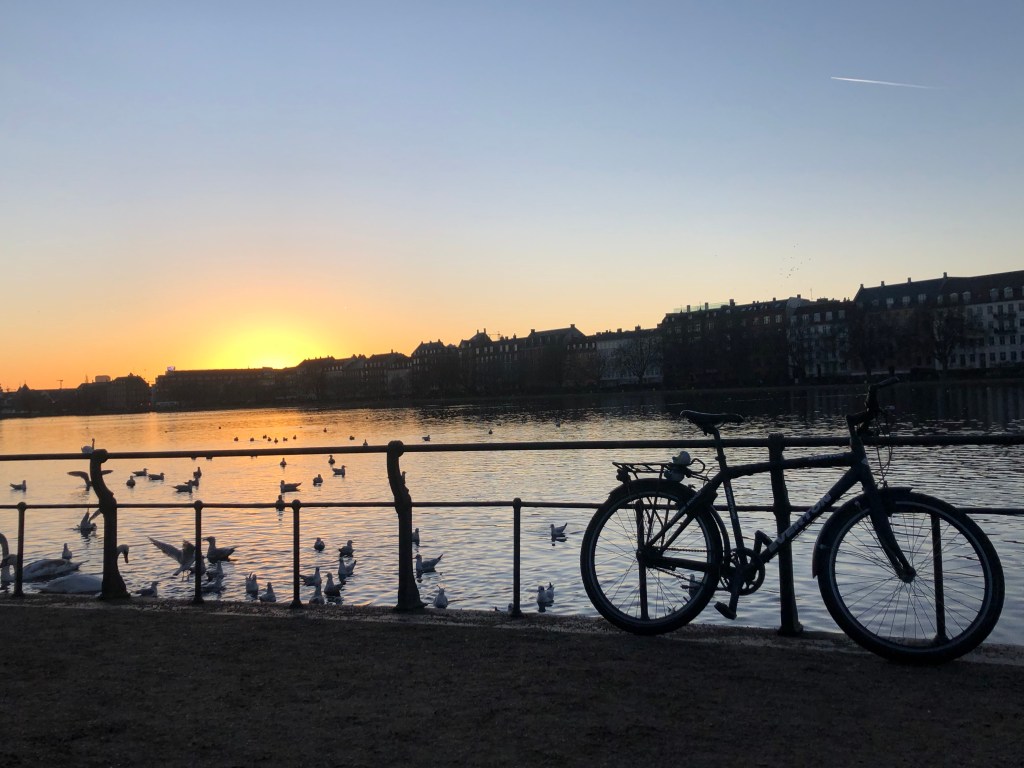
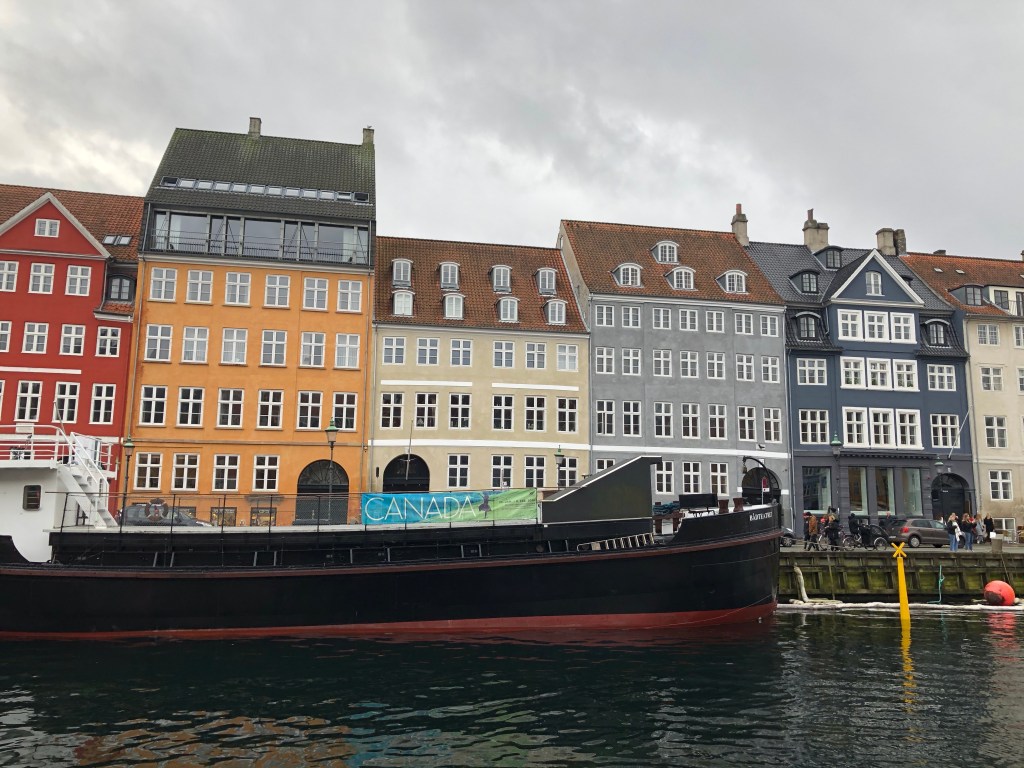
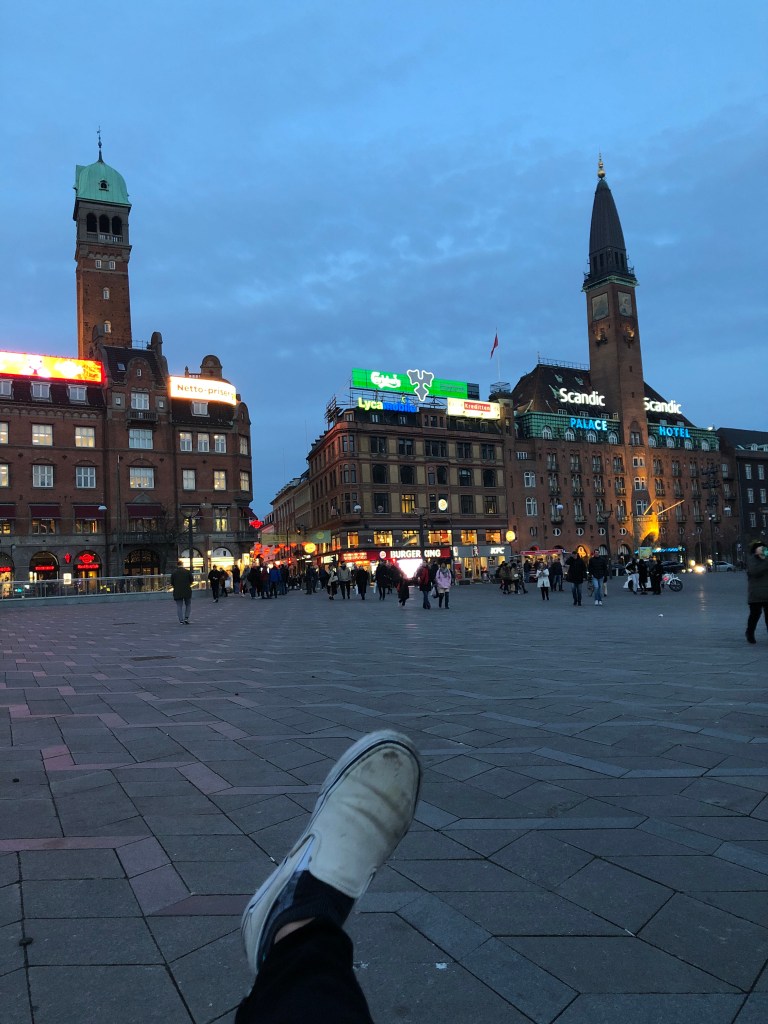
Where I was during my first post is definitely not where I am today. Today I feel comfortable in Denmark and Copenhagen is beginning to feel a little more homey. Although I still do not know the language, I am now able to recognize the streets and remember certain landmarks that guide me home— this is progress! I live smack dab in the middle of the city which makes it easy to walk around everywhere and familiarize myself with all the surrounding streets and neighborhoods. My neighborhood is called Indre By, or the Inner City, which is always bustling with tourists, workers, families, and BIKES!! And let me tell you… biking culture here is no joke. The Danes use biking as one of their main modes of transportation because it is fast, eco-friendly, cheap, and fun! Cars still exist here, but they’re used less. Biking might just be something I bring back with me once I am home because I am learning how fast and convenient it really is— unless there’s rain, then it’s not fun haha.
In my Positive Psychology class we learned about the benefits of biking on health and well-being, as well as how Copenhagen is built by civil engineers to be a very biker-friendly place. The streets connect to get by from one place to the other and the cobblestone streets keep people and other bikers safe by causing riders to slow down. What I learned is that nearly everything in Copenhagen has a purpose and almost all infrastructure strategies influence a person in their happiness and well-being. Since Copenhagen is often gloomy, dark and cold, architects make sure to design buildings facing towards the sun and also keep the buildings low so that a person does not feel entrapped by buildings they cannot see over. Ground-level spaces are usually kept visible so that one walking feels safe and invited by the presence of others— ex: coffeeshops with all glass windows so that people walking outside can see in and so that people inside can see others. It was explained that in doing so, social trust can be promoted because one feels like they can see everyone and that everyone can see them, so there is no hiding anything sneaky nor are there feelings of being unsafe.
That’s another big thing here— social trust. In positive psychology we talk a lot about the notion that Danish people are known to be some of the happiest people in the world. We talk about why that is and what contributes to humans overall well-being and life satisfaction, but for Denmark specifically, we discussed the level of social trust that exists and how that deeply impacts. Danes grow up together making their social circle small and tight, but regardless of the small circle, Danes know everyone by these conglomerate groups of people and thus, people feel safer and more trusting of each other because they know everyone. Danes park their bike and can count on it still being where they left it the next day; Danish mothers leave their children in strollers and park the stroller outside of the store while they shop, knowing that their child will still be there after they’re done. Even their transportation works on social trust because it follows and honor system: you easily hop on to the metro, bus, or train with the idea that you have purchased a ticket because there is no checking beforehand. However, if a DSB (the transportation system in Denmark) worker comes around to check for tickets and you do not have one, you are fined a heavy violation fee, so it is always worth spending the 24kr to get on public transportation.
There are so many cultural differences here, many of which seem like things the US can take away as a point of reference. Denmark is small though, so this may contribute to many of the successes they have had as a nation in providing their citizens with a satisfactory quality of life. It makes me wonder if the US could ever achieve such a state and if so, what it would take for there to be genuine radical change for everyone. Denmark has already impressed me with its social trust, sustainability techniques, blending of cultures, and so forth and I cannot wait to see what more is in store.